Key Factors to Consider Before Starting a Driveway Paving Project in NJ
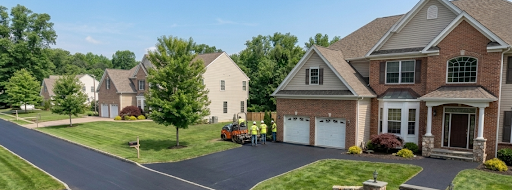
Most bad driveways do not look bad right away. That is what catches homeowners off guard.
Everything looks fresh during the first few months. Clean black asphalt. Sharp edges. Smooth finish. Then one winter passes in New Jersey, and problems start showing up. Water sits near the garage after rain. Tiny cracks spread wider once freezing weather hits. The edges crumble where tires keep rolling over the same spots every day.
Suddenly, the driveway that looked “perfect” starts looking tired way too early.
A lot of homeowners focus on the wrong things during a paving project. Fast completion times sound attractive. Low prices sound even better. Nice-looking photos help too. Meanwhile, the real quality sits underneath the surface where nobody can see it after the crew leaves.
Before choosing
driveway paving in Old Bridge, NJ, homeowners should pay attention to the groundwork, drainage plan, and paving experience instead of only the final appearance. Good paving work survives freezing winters, heavy rain, delivery trucks, and daily traffic without falling apart after a few seasons.
Start With the Right Driveway Material
Asphalt stays popular across New Jersey because it handles weather changes better than many homeowners expect. Freezing temperatures and summer heat constantly make driveway surfaces expand and contract. Asphalt has enough flexibility to deal with those changes better than some harder materials.
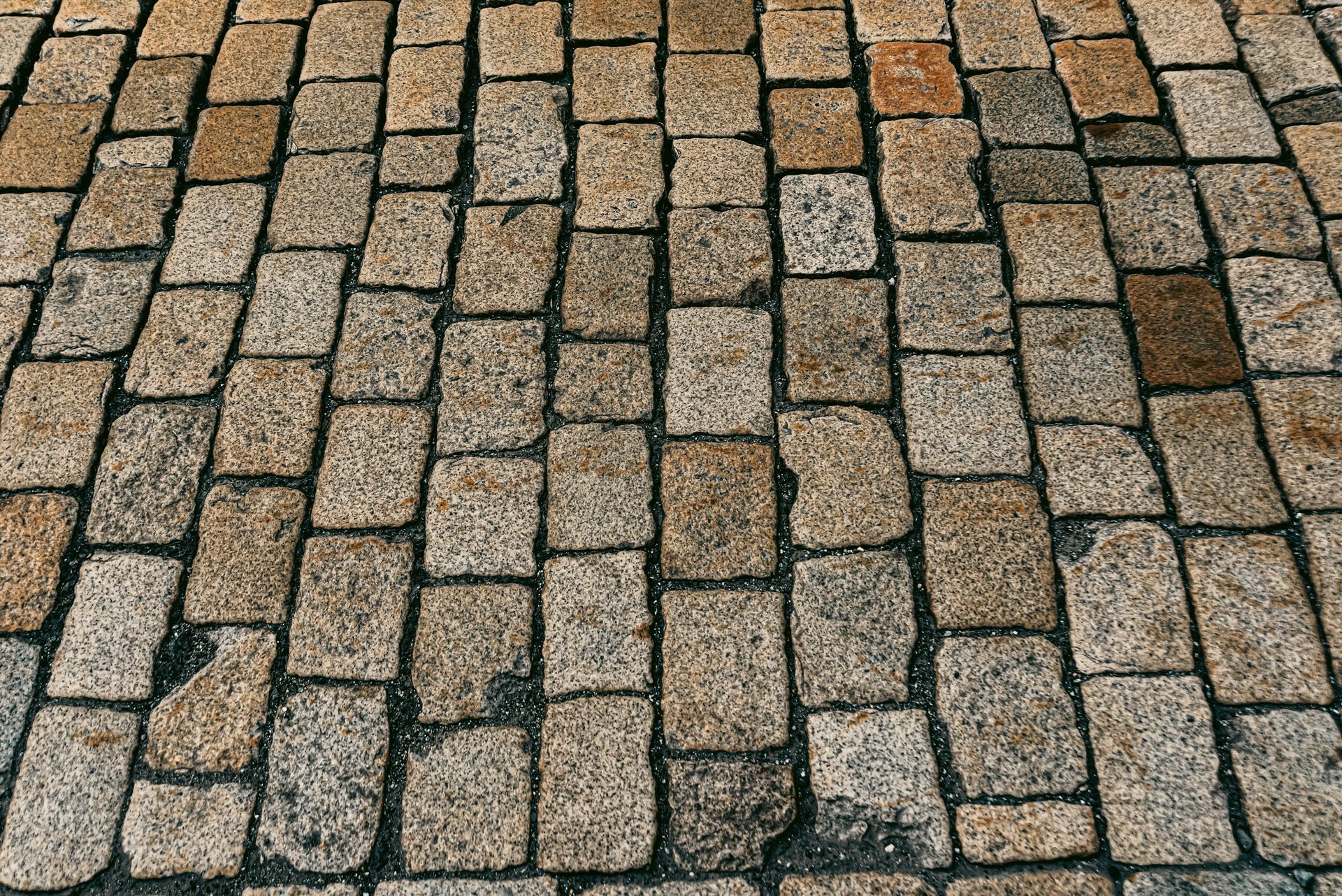
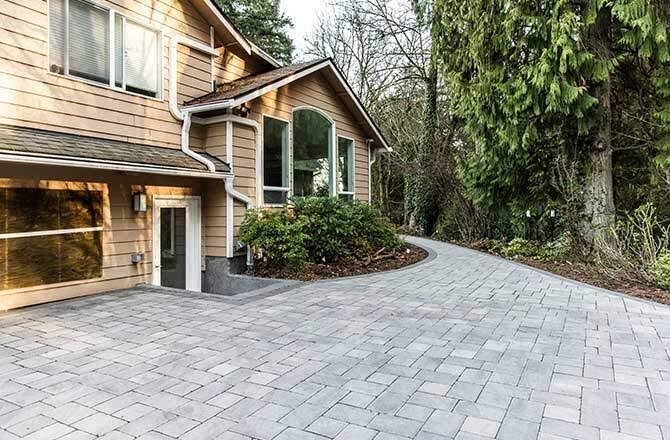
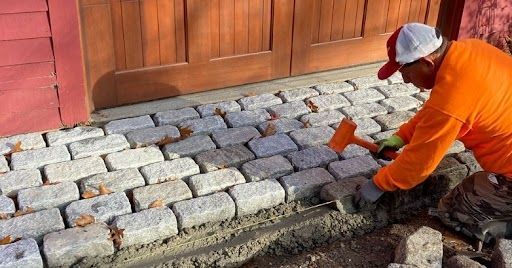
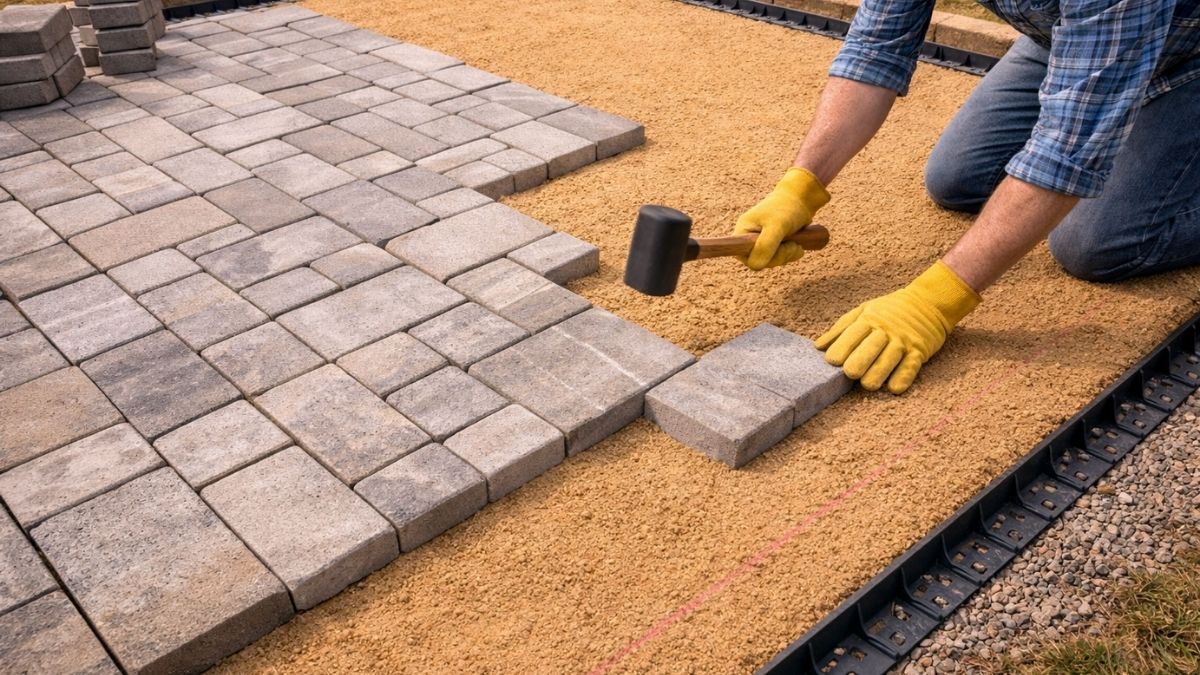
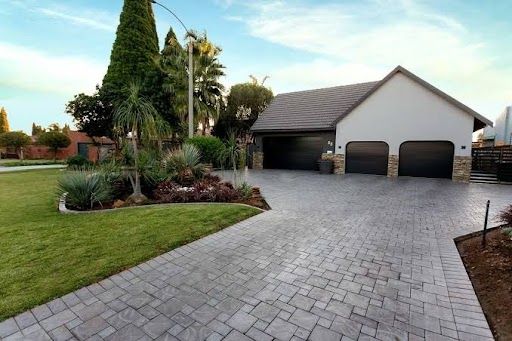
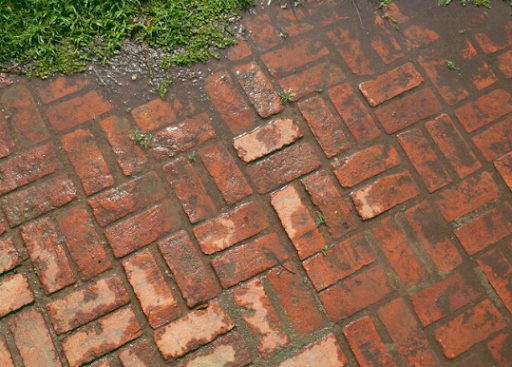
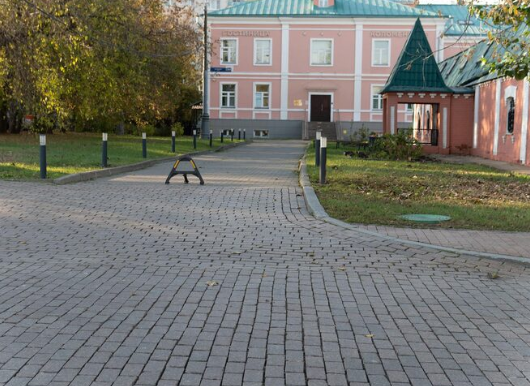
Concrete lasts longer in some situations, though repairs often become more noticeable once cracking starts. Pavers create a completely different look. A paver driveway NJ project usually gives the property a cleaner and more custom appearance right away.
Ground Preparation Matters More Than Most People Think
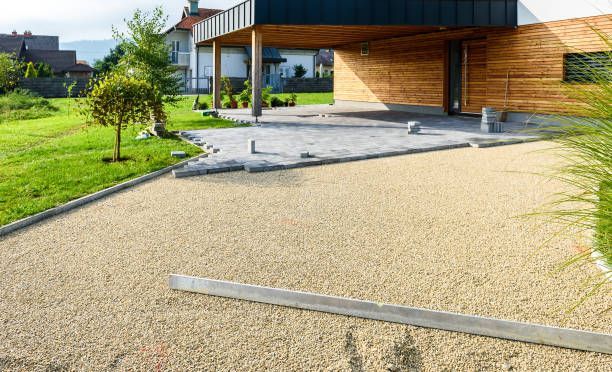
Most homeowners never see the base preparation because everything gets covered once paving starts. That makes it easy for weak contractors to rush through the most important part of the project.
A driveway needs solid support underneath every section. Soft spots below the surface create sinking later. Poor compaction traps moisture underneath the asphalt. Once winter freezing starts, those weak areas spread fast.
A driveway can look perfectly smooth while already having problems underneath.
Experienced driveway contractors in Old Bridge, NJ, know how local soil, drainage patterns, and weather conditions affect paving performance over time. Some properties collect water naturally after storms. Others shift more because of uneven grading around the house. That local knowledge matters more than flashy sales pitches.
Homeowners should ask what kind of stone base is used, how deep the excavation goes, and how the ground gets compacted before paving begins. Those answers tell you far more than a polished estimate ever will.
Drainage Can Make or Break a Driveway
A driveway does not need standing water everywhere to have drainage problems. Sometimes the issue is one small puddle that never fully dries.
That puddle freezes during winter. Ice expands underneath the surface. Cracks spread wider every season after that. Homeowners usually blame the asphalt itself, even though the real problem started with water movement. New Jersey weather exposes drainage mistakes quickly.
Good paving work controls where water goes before the first layer of asphalt even gets installed. The slope around the driveway matters. Yard grading matters too. Even nearby flower beds and walkways affect how rainwater moves during storms.
Cheap paving crews often skip those details because drainage takes extra time and planning. That shortcut usually shows up within a couple of winters.
Quality contractors study the full property layout before starting work because the driveway needs to function with the land around it instead of fighting against it every time heavy rain hits.
Cheap Quotes Usually Create Expensive Repairs
Most homeowners already know that cheap paving jobs usually come with problems. Still, low pricing pulls people in because driveway projects feel expensive upfront.
The trouble is that weak paving work rarely falls apart immediately. The driveway looks fine during the first year. Then, tire marks start appearing during the summer heat. Edges weaken faster than expected. Small cracks spread near areas where water collects most often. That cheap estimate starts costing more money very quickly.
Low-budget contractors usually cut corners somewhere. Thin asphalt layers, rushed groundwork, weak drainage planning, and poor compaction all shorten the life of the driveway.
Homeowners should stop comparing only the final price.
Ask how thick the asphalt will be. Ask what happens underneath the surface before paving starts. Ask how water will move away from the house once the project finishes.
Strong contractors answer directly without sounding defensive.
Quality Paving & Masonry focuses heavily on preparation because solid groundwork prevents the repair headaches homeowners deal with later.
Tired of driveway cracks showing up every winter?
Talk with Quality Paving & Masonry about a longer-lasting solution.
Know the Warning Signs Before Repairing an Old Driveway
Some driveways still have strong foundations underneath. Others are already falling apart below the surface, even if the top layer still looks decent from far away.
That difference matters because surface repairs only help when the structure underneath stays stable. Large cracks spreading across multiple sections usually point toward deeper issues below the asphalt. Sinking spots near garages and loose, crumbling edges often signal foundation failure, too.
A lot of homeowners keep patching the same driveway every year, hoping the next repair lasts longer.
Older driveways around Old Bridge deal with years of moisture, freezing weather, and ground movement. At some point, replacement becomes cheaper than repeated patch jobs that never fully solve the issue.
Ask About Experience and Local Reputation
Anybody can make fresh asphalt look good for a few weeks. The real test starts after two or three New Jersey winters.
Homeowners should pay attention to local experience instead of polished advertising alone. Look at nearby projects. Read reviews carefully. Ask how long the company has worked in the area. Strong contractors usually explain things in plain language instead of sounding rehearsed during every conversation.
Final Thoughts
A driveway should still feel solid years after the paving crew leaves the property.
That usually comes down to the work homeowners never see once the project finishes. Proper grading, strong base preparation, drainage planning, and quality materials all matter long before fresh asphalt gets rolled into place.
Choosing driveway paving in Old Bridge, NJ, becomes much easier once homeowners stop focusing only on appearance and start paying attention to what actually keeps the driveway stable through New Jersey weather.
Quality Paving & Masonry helps homeowners build driveways that stay cleaner, stronger, and more reliable long after installation day ends.
Want a driveway built the right way the first time?
Talk with Quality Paving & Masonry today.
FAQs
How long does a newly paved driveway last in Old Bridge, NJ?
A properly installed asphalt driveway usually lasts between fifteen and twenty-five years, depending on weather exposure, drainage conditions, and maintenance habits. Driveways built on weak foundations often crack much earlier because moisture damages the base underneath the asphalt.
What is the best material for driveway paving in Old Bridge, NJ?
Asphalt works well for many New Jersey homes because it handles freezing temperatures and seasonal movement better than some harder materials. Pavers create a more decorative look and allow easier section repairs later if shifting occurs. The best material for a driveway depends on traffic levels, appearance goals, maintenance expectations, and overall property style.
How much does driveway paving cost in Old Bridge, NJ?
Driveway paving costs change based on driveway size, excavation depth, grading corrections, drainage needs, and material selection. Asphalt usually costs less than decorative stone or paver layouts. Properties with poor drainage or unstable ground conditions may require additional groundwork before paving starts.
When is the ideal time of year to pave a driveway in New Jersey?
Spring through early fall usually gives the best paving conditions because warmer temperatures help asphalt settle properly after installation. Dry weather also improves excavation, grading, and drainage preparation before paving begins. Scheduling projects during stable weather conditions helps reduce delays and improve overall paving quality.
What signs indicate that a driveway needs replacement instead of repair?
Large cracks spreading across different sections usually signal deeper foundation problems underneath the surface. Sinking areas, standing water, loose edges, and repeated patch failures also point toward structural damage below the asphalt. Small cosmetic repairs help minor issues, though major problems continue spreading over time. Experienced driveway contractors in Old Bridge, NJ, inspect both the surface and foundation before recommending repairs or full replacement.