How to Choose the Best Driveway Paving in Old Bridge, NJ for Long-Lasting Results
Written By:
James Connors
published By:
May 22, 2026
Read time:
5 min
A strong driveway starts with the right material, proper installation, and a crew that understands local weather. That is the real answer to choosing the best driveway paving in Old Bridge, NJ, for long-lasting results. Cheap work fades fast. Poor drainage creates cracks. Weak materials wear out after a few rough winters.
Many homeowners focus only on price. That creates problems later. The better choice is looking at the full picture. Material quality matters. Ground preparation matters. Local experience matters even more.
Choose the Right Driveway Material
Every driveway material works differently. Some handle cold weather better. Some need less maintenance. Some look cleaner for modern homes. Picking the right option depends on your budget, traffic level, and long-term plans.
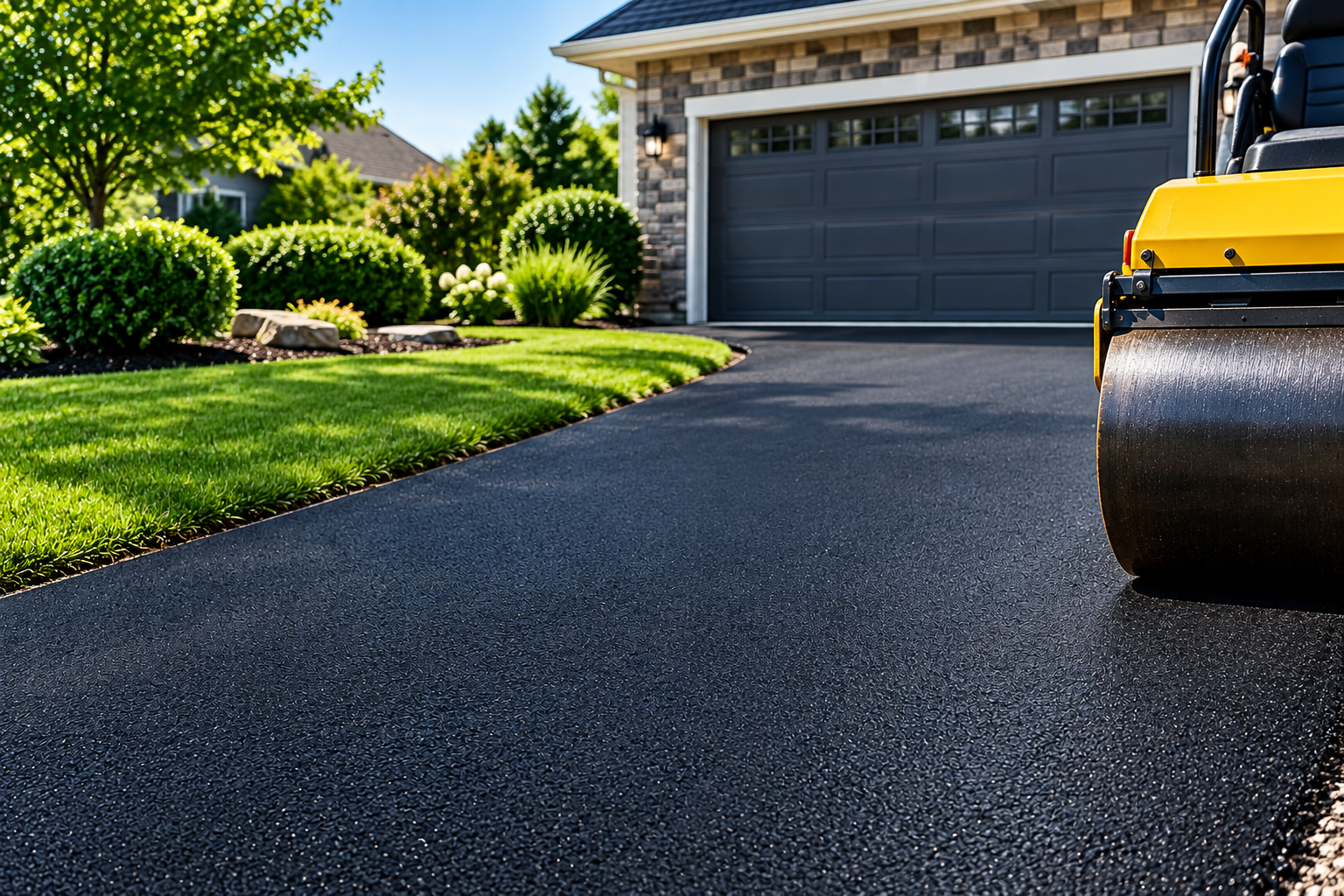
Asphalt remains one of the most popular choices for homes across New Jersey. It handles freezing weather well and gives a clean, smooth finish. Many homeowners choose asphalt driveway paving in Old Bridge, NJ because repairs stay simple and the overall cost stays manageable.
Concrete lasts longer in many cases. It creates a bright, polished look that works well with newer homes. However, concrete usually costs more upfront and takes longer to install properly.
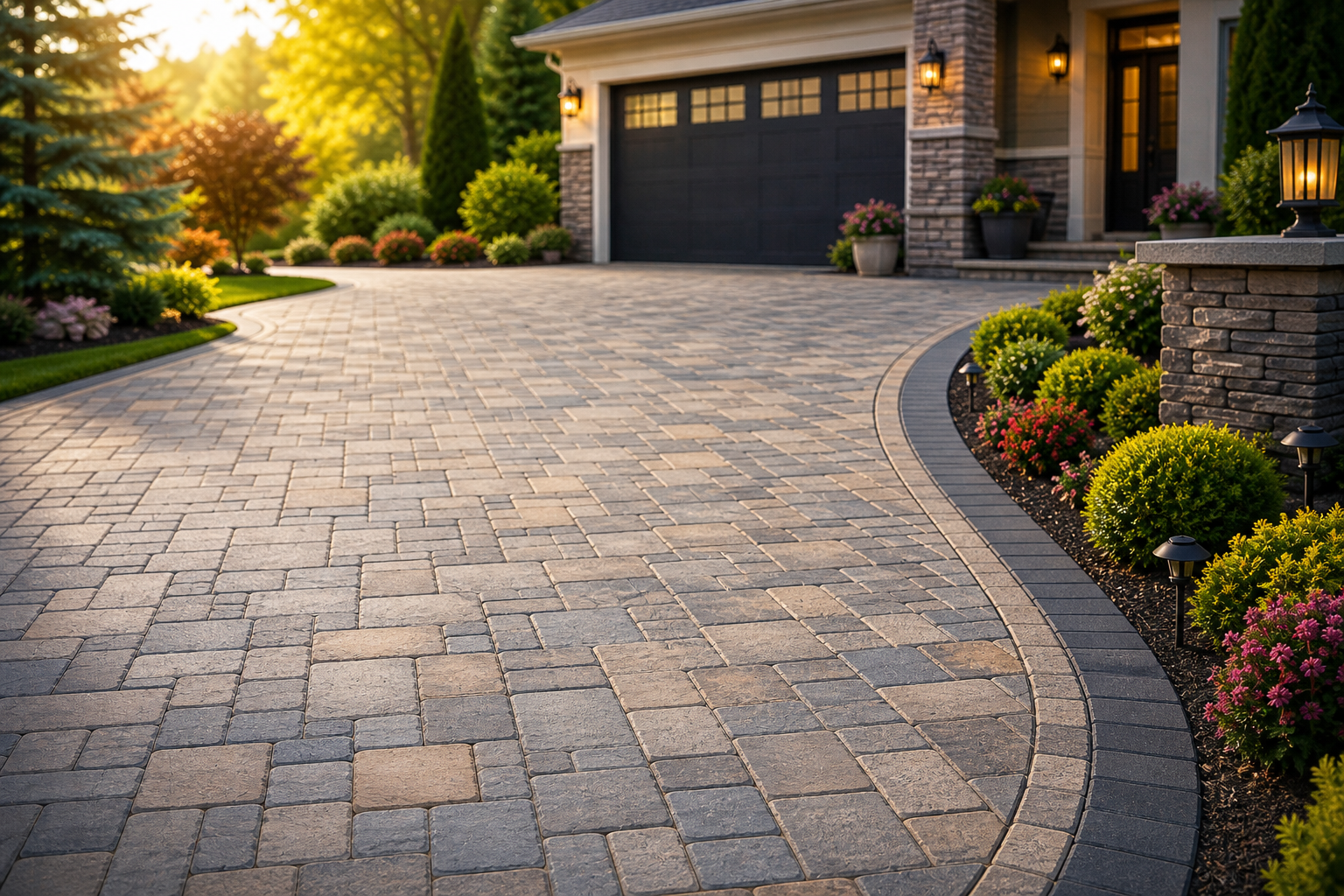
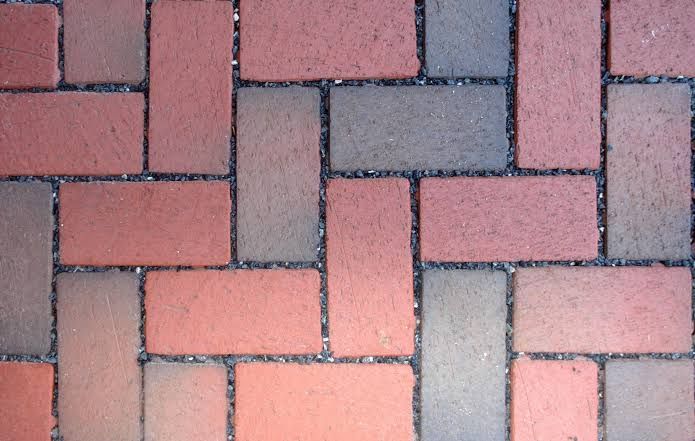
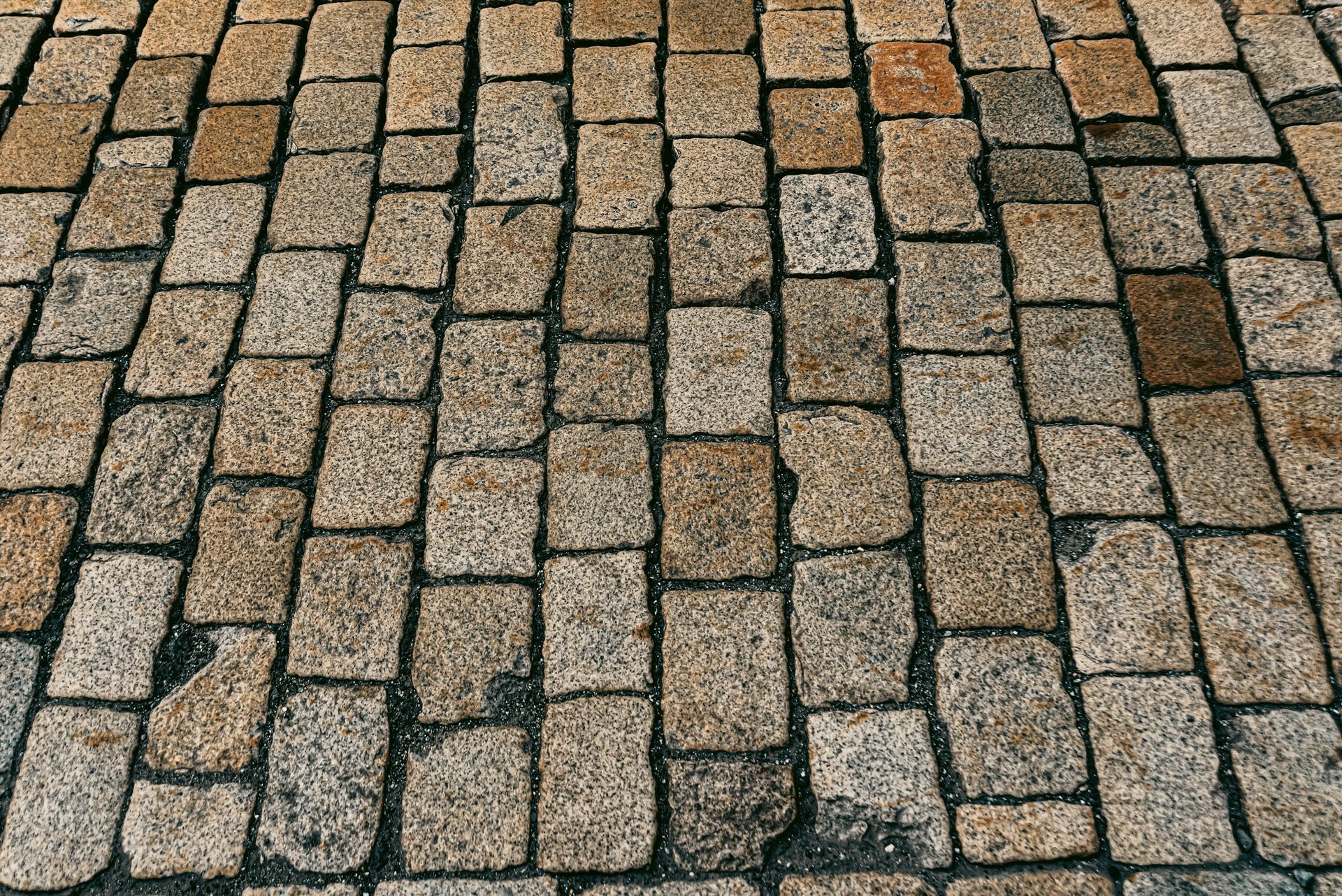
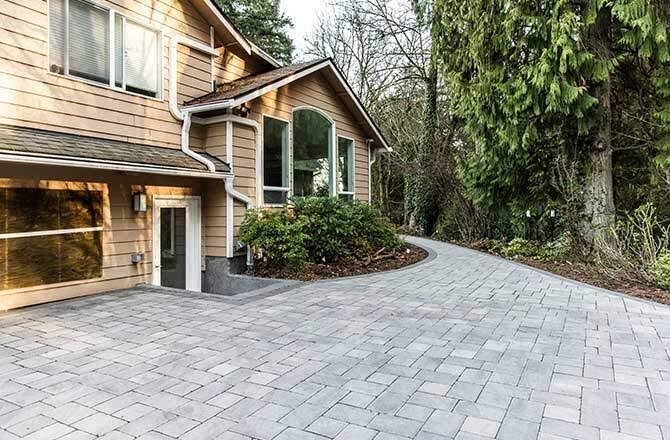
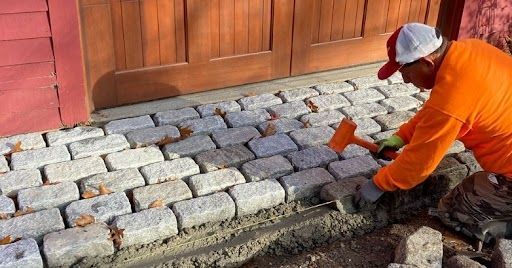
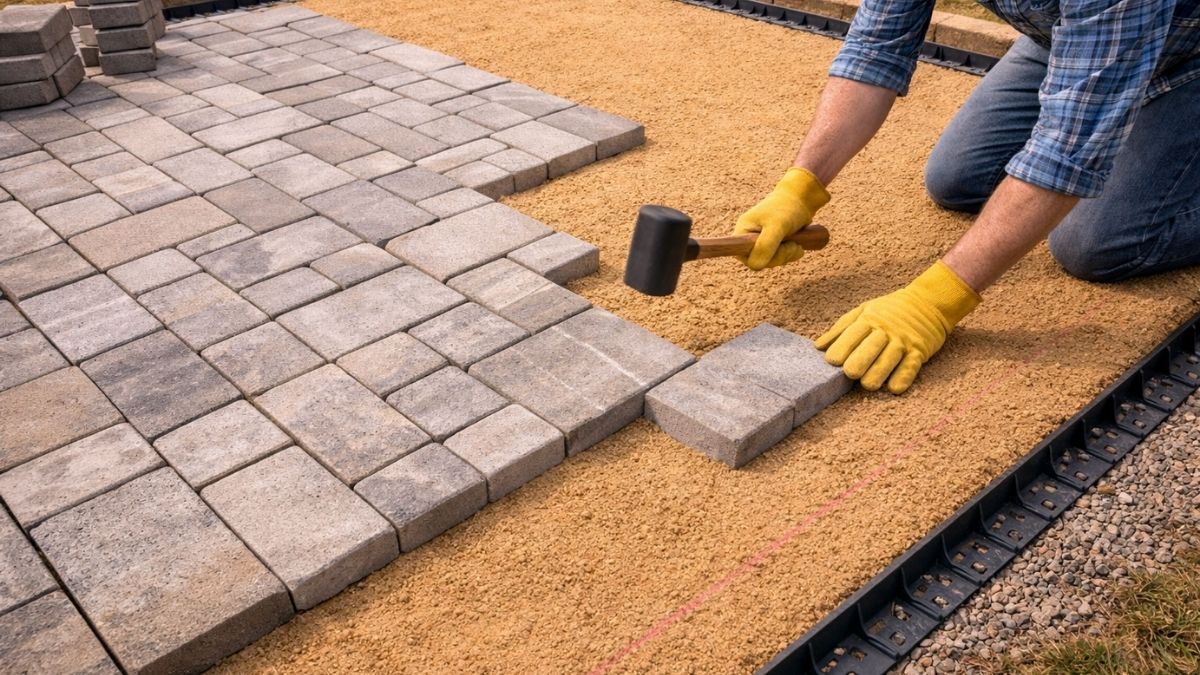
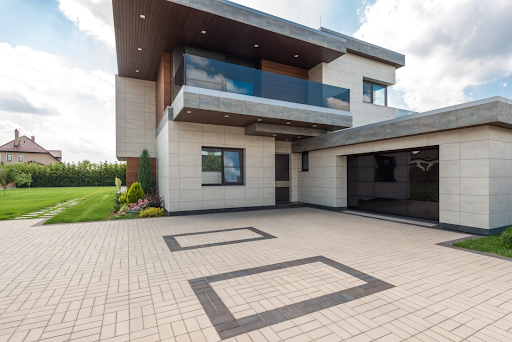
Pavers bring strong curb appeal and custom designs. Individual pieces can also be replaced when damage appears. Still, pavers require careful installation and a bigger budget. Choosing the best material for a driveway depends on traffic levels, weather exposure, appearance goals, and long-term maintenance expectations.
Why New Jersey Weather Matters
A driveway in warm states faces different conditions than one in New Jersey. The paved surfaces experience constant stress from snow, ice, rain, and temperature changes throughout the entire year.
That is why quality installation matters so much for driveway paving in NJ. Water must drain away from the driveway correctly. The base layer must stay compact and stable. Weak preparation leads to sinking areas and early cracks.
A contractor with local experience understands these problems before work even begins. Proper grading and strong foundation work protect the driveway from freeze and thaw damage during the winter months.
Many homeowners spend money twice because the first installation skipped these important steps.
Proper Base Preparation Matters
A driveway looks great on the first day, almost every time. The real test comes later. If the ground below remains soft, the surface is soon ravaged by the succeeding forces.
Good paving crews spend time preparing the area before laying asphalt or concrete. That process includes:
- Removing soft soil and debris
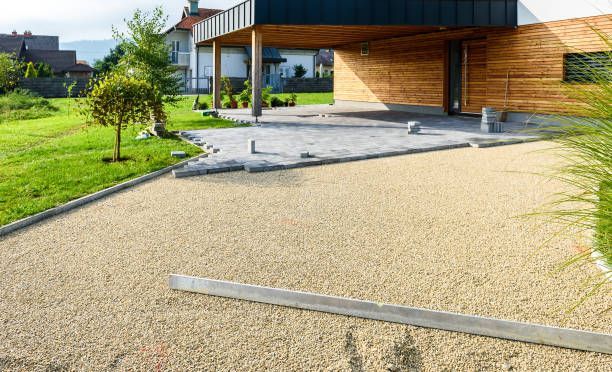
- Building a compact stone base
- Creating proper water drainage
- Checking thickness for traffic load
- Smoothing the foundation evenly
Skipping preparation saves time for contractors but creates expensive repairs later.
Experienced companies like Quality Paving & Masonry focus heavily on foundation work because strong support creates long-term durability.
Compare Quality Before Pricing
Cheap paving work usually becomes expensive later. Thin asphalt layers crack faster. Weak edges break apart. Water starts collecting in low spots after rain.
A fair estimate should explain:
- Material thickness
- Base preparation
- Drainage planning
- Labor details
- Cleanup work
- Sealcoating recommendations
Many homeowners comparing quotes only look at the final number. A better approach compares what each company actually includes.
Need help choosing the right driveway style for your home?
Trust Quality Paving & Masonry for strong, long-lasting paving solutions.
Understand Maintenance Requirements
Asphalt driveways benefit from sealcoating every few years. This protects against water damage and surface wear. Small cracks should also be repaired early, before larger problems spread.
Concrete surfaces need cleaning and occasional joint maintenance. Pavers may require weed control and sand replacement over time. Some homeowners prefer concrete driveway paving in Old Bridge, NJ, because the finish looks clean and performs well for larger residential properties.
A good contractor explains maintenance honestly before the project starts. Clear expectations help protect the investment longer.
Check Local Experience and Previous Projects
Many homeowners do not recognize the importance of local experience. A contractor who knows Middlesex County can assess soil conditions and drainage problems and understand seasonal weather patterns better.
Experienced contractors handling driveway paving in Middlesex County, NJ, understand local soil movement, drainage concerns, and seasonal surface damage much better than out-of-area crews. Ask to see completed projects nearby. Look closely at driveway edges, smoothness, and drainage flow. A quality finish usually speaks for itself.
Learn the Full Installation Process
A professional paving crew has a specific process to be followed right from the start, completing it. Good communication does go a long way in making your project flow as smoothly as possible.
A normal driveway project may include:
- Site inspection
- Material planning
- Ground preparation
- Base installation
- Paving work
- Compacting and finishing
- Cleanup and curing guidance
Weather conditions can affect scheduling. Rain and extreme cold slow certain paving jobs. Reliable contractors explain timing honestly instead of making rushed promises.
Proper Drainage Protects the Driveway
Water causes major damage when drainage is poor. Standing water weakens asphalt and creates cracks over time.
A driveway should guide water away from:
- Garage entrances
- Home foundations
- Walkways
- Low yard areas
Proper grading minimizes puddling and erosion, a well-known fact in designing any kind of infrastructure. The rule of thumb is: many little things make a huge difference, and this is so noticeable in durability over the long haul.
Many homeowners searching for driveway paving in East Brunswick, NJ, also ask contractors about drainage planning because water buildup causes early driveway damage across many properties.
Conclusion
Driveway paving in Old Bridge, NJ requires material quality, A and B preparation work, C drainage systems, and D installation by skilled contractors to achieve project success. A driveway must endure daily traffic, changing weather patterns, and B years of use without requiring ongoing maintenance. Forthwith selecting the appropriate contractor would bring any financial saving and relieved feeling in the future.
Quality Paving & Masonry helps homeowners across New Jersey build driveways that stay durable, clean, and attractive for years ahead.
Ready to upgrade your driveway with long-lasting results?
Quality Paving & Masonry delivers reliable paving solutions across New Jersey.
Schedule Your Driveway Consultation
FAQs
What is the best material for driveway paving in Old Bridge, NJ?
The best material depends on budget, weather exposure, and daily vehicle use. Asphalt provides suitable performance for residential properties because it withstands low temperatures and enables straightforward maintenance. Concrete offers extended durability combined with its ability to produce a sleek contemporary design. Homeowners in Old Bridge, NJ, who want to install driveway paving must assess three different aspects before making their final material choice.
How long does a driveway paving project typically take?
The duration of residential driveway projects varies from one day to three days because project size, weather conditions, and material selection determine project length. The process of ground preparation will require additional time when drainage issues and foundation problems arise. Asphalt surfaces may get blah because they reach full strength at a quicker rate than concrete-like surfaces.
What factors affect the cost of driveway paving in Old Bridge, NJ?
Several factors determine driveway costs, which include the driveway material selection, the driveway size, the required drainage system, and the necessary site preparation work. Sloped surfaces or damaged soil may increase labor requirements. The installation of decorative borders together with custom finishes will result in higher project costs.
How often should a paved driveway be maintained or sealed?
Asphalt driveways usually require sealcoating every two to three years because their weather exposure and traffic levels determine their maintenance needs. The surface should receive immediate treatment for small cracks, which need to be fixed before water can reach the underlying areas.
Why does drainage matter so much for driveway paving?
Water collects under the driveway surface because of inadequate drainage. The foundation breaks down over time, which results in cracking and sinking problems. Driveway grading establishes a system that directs water away from the driveway and adjacent structures.