Can Brick Pavers for Driveways Handle Heavy Traffic and Weather Conditions?
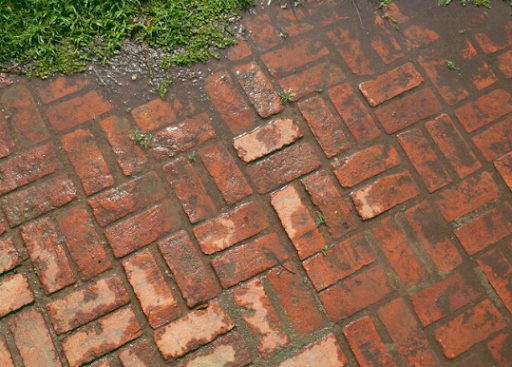
Most driveways look solid at the beginning. Problems usually show up later, after years of heavy vehicles, rough winters, and water sitting in the wrong places. One section near the garage starts sinking slightly. Cracks spread wider after winter. Tire marks become more visible near turning areas. The driveway slowly loses its clean look.
That is why many homeowners now choose
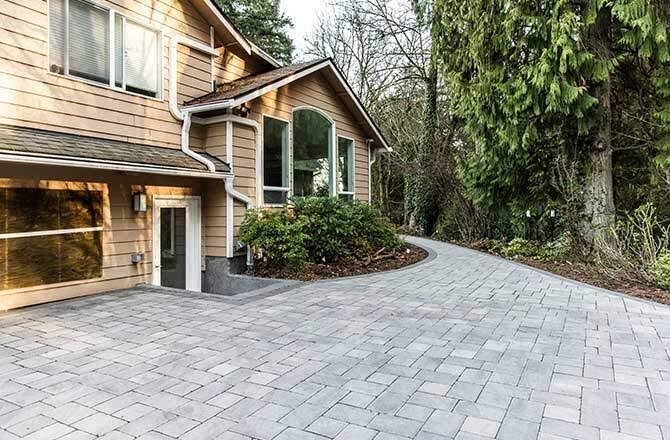
brick pavers for driveway projects instead of plain asphalt or concrete. Pavers handle pressure differently because the surface works as connected sections instead of one rigid slab. A properly installed paver driveway also handles weather changes much better while keeping the property looking clean for years.
At Quality Paving & Masonry, driveway projects focus heavily on long-term durability because weak groundwork eventually ruins even expensive materials.
Why Pavers Handle Heavy Vehicles Better
Heavy vehicles create constant stress on a driveway surface. Concrete eventually cracks once pressure builds underneath, especially near garages or tighter turning areas. Asphalt handles flexibility slightly better, but heat and daily traffic slowly wear the material down.
The Difference With Pavers
A brick paver driveway spreads weight across many interlocking sections instead of forcing one slab to absorb everything alone. That flexibility helps the surface stay stable under heavier traffic.
Why The Base Matters
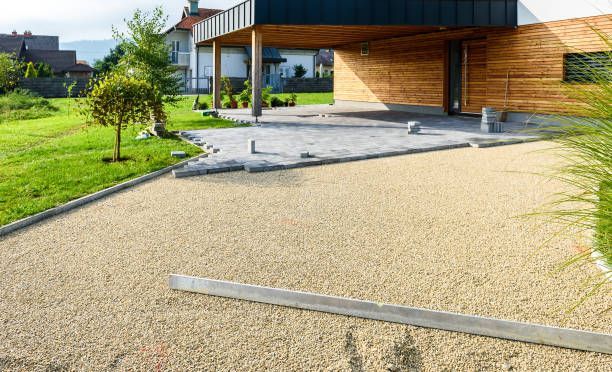
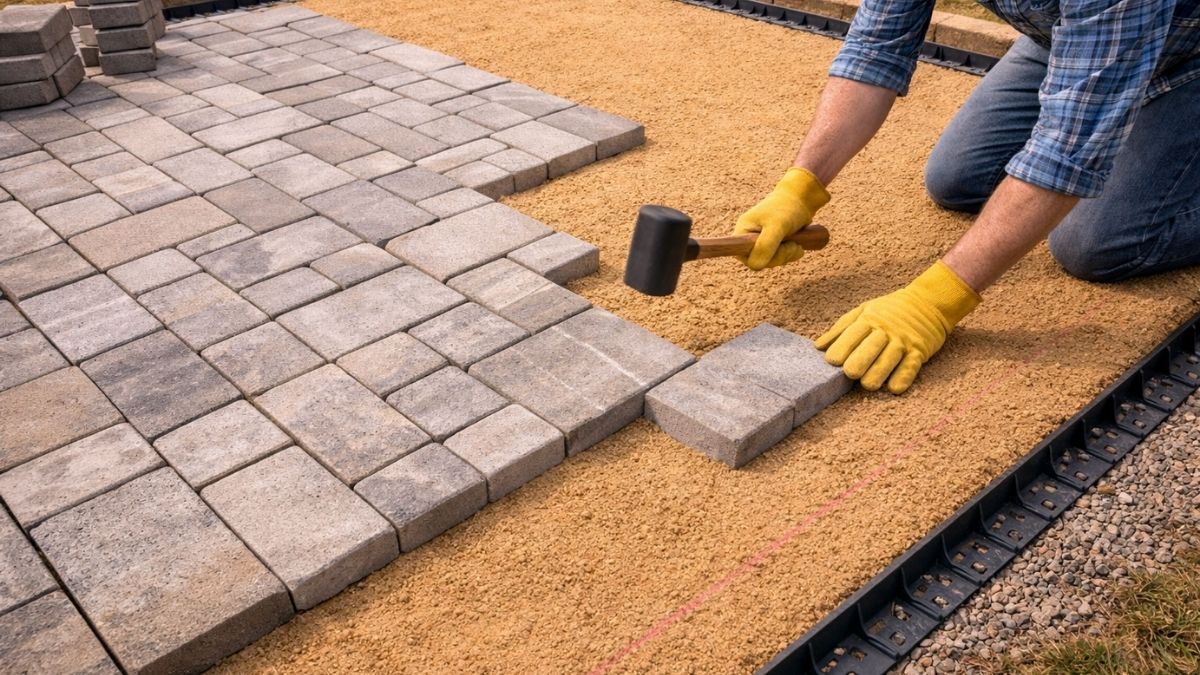
Most driveway failures actually begin underneath the surface. Strong installation work includes:
Proper grading- Compacted stone layers
- Edge restraints
- Drainage planning
Skipping those steps usually leads to sinking sections and shifting edges later.
Weather Conditions Usually Expose Weak Driveways Fast
Rain, snow, freezing temperatures, and summer heat slowly wear down weak driveway surfaces. Water becomes the biggest problem once it reaches the base underneath.
Concrete often struggles after repeated freeze and thaw cycles because rigid slabs cannot move naturally once the ground shifts. Asphalt surfaces soften during hotter months and may develop worn spots under heavier vehicles.
Why Pavers Perform Better
Proper driveway brick paving allows slight movement during changing temperatures because small joints sit between each paver. Instead of cracking under pressure, the system adjusts naturally.
Pavers also improve drainage because water moves through the joints rather than collecting across flat surfaces.
Common Weather Problems Homeowners Notice
- Pooling water near garages
- Surface cracks after winter
- Worn areas near parked vehicles
- Loose driveway edges
- Uneven sections after storms
Appearance Still Matters for Long-Term Value
A driveway covers a large part of the front property, so damage becomes noticeable quickly. Fresh landscaping and clean siding lose impact once the driveway starts looking cracked or uneven.
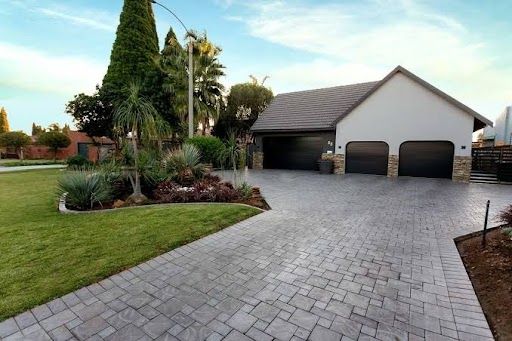
Pavers give homeowners more flexibility with textures, colors, and borders while creating a more finished appearance overall.
Popular Matching Outdoor Features
Some homeowners continue the same design into outdoor spaces using brick pavers for patios around:
Walkways- Seating areas
- Fire pits
- Backyard entertaining spaces
Need a driveway built for heavy traffic and rough weather?
Quality Paving & Masonry installs durable paver driveways designed for long-term performance.
Maintenance Stays Easier Than Most Homeowners Expect
Many people assume pavers require difficult maintenance because the surface contains smaller sections. Repairs actually become easier compared with replacing cracked concrete or damaged asphalt.
Simple Maintenance Usually Includes- Sweeping debris regularly
- Occasional surface washing
- Sealing every few years
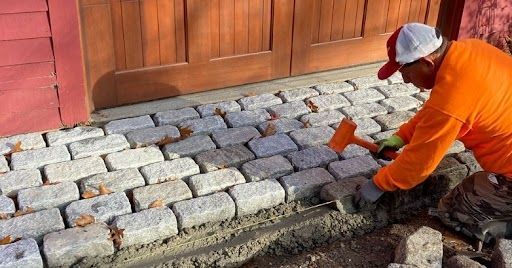
- Replacing damaged pavers when needed
This repair flexibility makes brick driveway pavers practical for households with multiple vehicles and steady daily traffic.
Installation Quality Makes the Biggest Difference
A driveway may look fine during the first year, even when the groundwork underneath is weak. Problems usually appear later once the weather and vehicle pressure expose weak spots below the surface.
Problems Caused By Poor Installation:
Sinking sections- Drainage issues
- Shifting borders
- Uneven surfaces
- Loose pavers
At Quality Paving & Masonry, installation work focuses heavily on proper groundwork because stable foundations protect the driveway long after the project is completed.
Long-Term Value Makes Pavers Worth the Investment
Cheaper driveway materials often become expensive once repair costs start adding up. Cracks spread, drainage problems appear, and worn sections eventually require replacement much sooner than expected.
Why Homeowners Choose Pavers Long-Term:
Easier repairs- Better durability
- Stronger curb appeal
- Improved drainage
- Longer lifespan
Conclusion
A driveway handles constant pressure from weather, moisture, vehicle weight, and daily traffic throughout the year. Weak materials slowly wear down once those conditions continue season after season.
Properly installed brick pavers for driveway surfaces perform better because the system stays durable while allowing natural movement underneath changing conditions. Strong groundwork, proper drainage, and quality installation all help create a driveway that lasts longer while keeping the property looking clean and finished.
Ready for a driveway designed to handle years of heavy traffic?
Quality Paving & Masonry installs durable paver driveways built for long-term strength and curb appeal.
FAQs
Can brick pavers for driveway surfaces support the weight of large SUVs and trucks?
Yes, professionally installed paver driveways work really well for larger vehicles because the weight is distributed across many connected sections. And there’s a compacted base underneath too, which helps carry the load for SUVs, trucks, trailers, and delivery vehicles, without causing big cracking or sinking issues from the same heavy traffic over and over.
How do brick paver driveways perform during freezing and thawing cycles?
Paver driveways work well in the wintertime because the tiny gaps between the pavers let some movement happen in a sort of controlled way during freeze and thaw cycles. The water is able to drain across the top more effectively instead of getting stuck under those big slabs. If it’s installed by a professional, a brick paver driveway tends to remain extra stable when the seasons do their changing thing.
Are brick pavers more resistant to cracking than poured concrete?
Yes, pavers generally resist cracking better because their surface is made of lots of interlinked sections instead of one single rigid slab. Concrete, in contrast, often starts showing visible cracks after soil shifting or after repeated weather swings. Pavers yield in a more natural way under pressure, and then fixing things stays way simpler too, since one section can be swapped out, without taking off big parts of the driveway.
What maintenance is required to keep a brick paver driveway in good condition?
Routine maintenance usually means sweeping up debris, an occasional rinse, and then sealing every few years. Little fixes stay sort of manageable, too, because one single paver can be lifted, taken out, and reset without doing an enormous replacement project. When the driveway brick paving is kept up, it tends to keep looking fresh, clean, and sturdy for many years.
How long can a properly installed brick paver driveway last?
A professionally installed paver driveway can last for several decades when the base and the drainage system are put in place correctly from the start. In the long run, the durability really hangs on the groundwork underneath the surface being done the right way. A lot of homeowners go with pavers because the whole drive stays sturdy, looks nice for years, and it’s often simpler to fix or patch compared with classic asphalt or concrete.