How Durable Are Brick Pavers for Patios in Different Climates?
Written By:
James Connors
published By:
March 30, 2026
Read time:
5 min
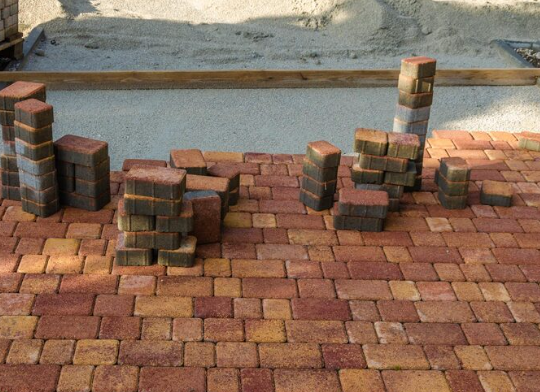
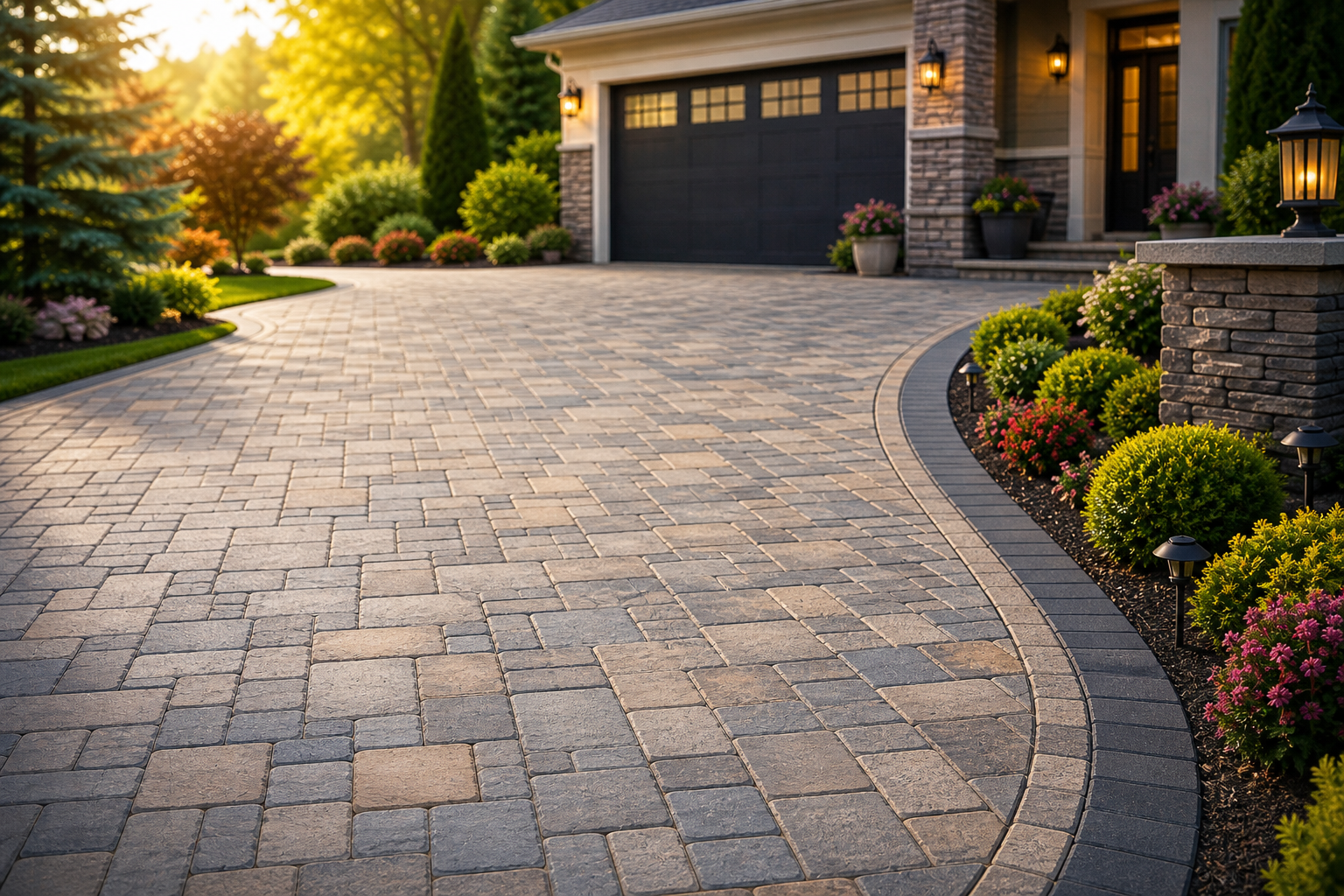
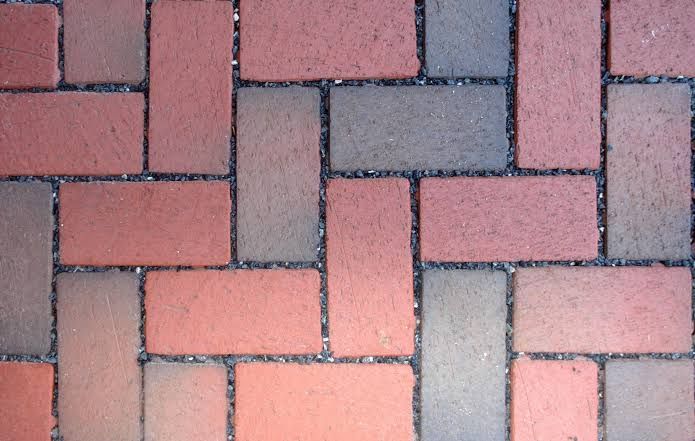
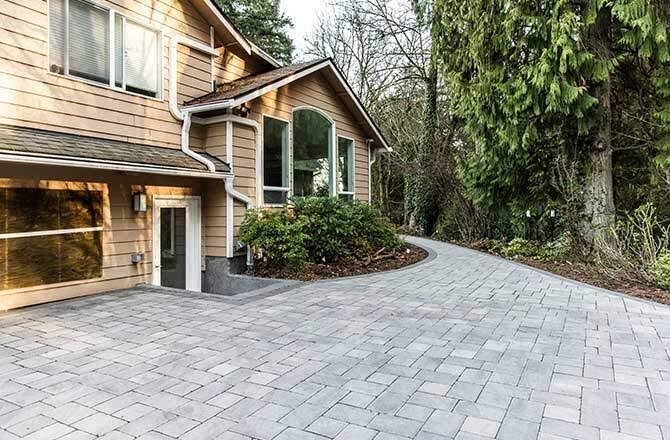
Brick pavers for patios stay strong in almost every climate when installed right and maintained well. Cold weather, heat, and rain can affect any surface, but brick pavers handle these changes better than most options. Good base work, proper sealing, and simple care keep them durable for many years.
Now let’s break this down in a way that actually helps.
What Makes Brick Pavers So Durable?
Brick pavers bring natural strength and flexibility. That combination matters more than most people think. A rigid surface cracks faster under pressure. A flexible system absorbs movement and stays stable.
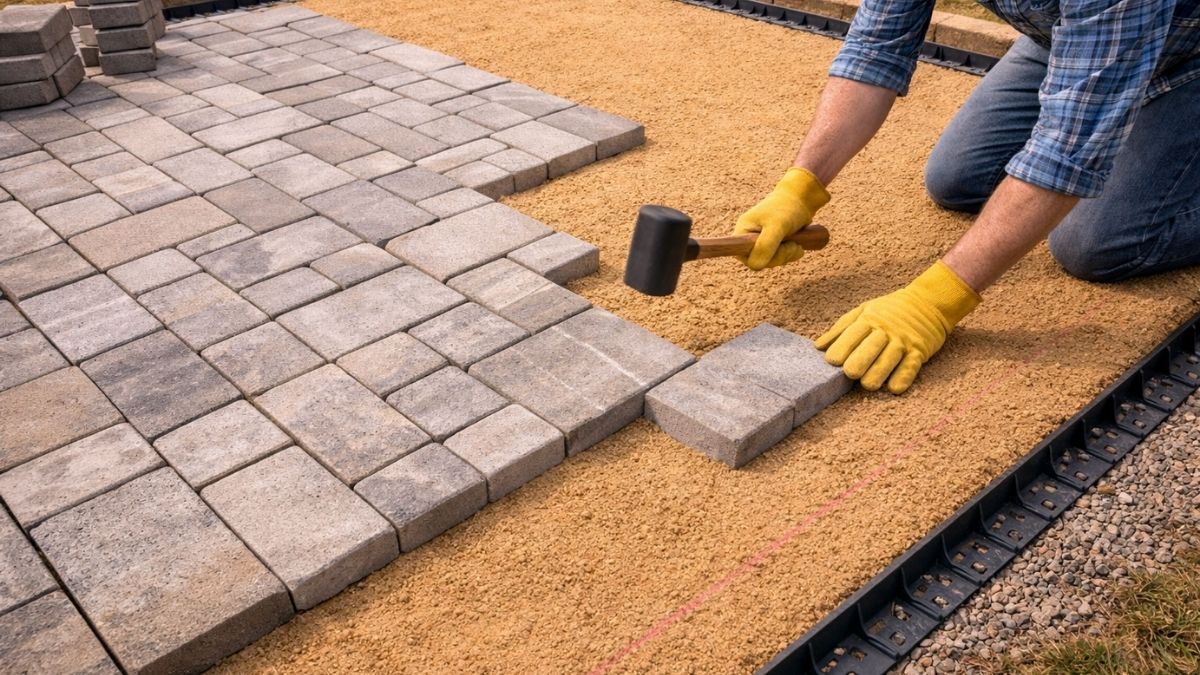
Each piece works as part of a system. When pressure hits one spot, the load spreads across nearby pavers. This design helps reduce cracks and surface damage.
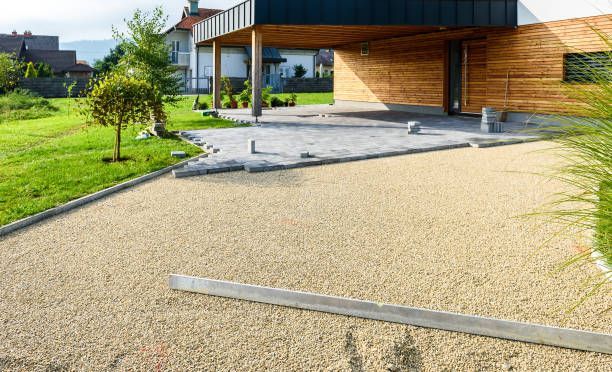
In addition, strong base preparation adds long-term support. A solid base keeps pavers level even during heavy use or changing weather.
How Cold Climates Affect Brick Pavers?
Cold climates test any outdoor surface. Water seeps into joints and freezes. This creates expansion that pushes materials upward.
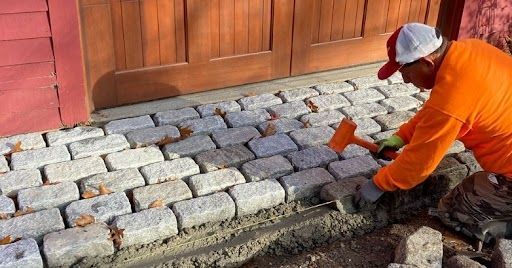
Brick pavers handle this better because of their flexible design. Individual units can move slightly without breaking. That small movement protects the surface.
However, poor installation can still lead to shifting. A weak base allows movement that becomes visible over time. Therefore, strong foundation work becomes essential in colder areas.
Proper sealing also reduces water absorption. This step helps limit freeze and thaw damage during the winter months.
Performance in Hot and Sunny Weather
Heat creates expansion in many materials. Concrete surfaces often crack under extreme heat. Brick pavers perform better due to the spacing between joints.
Air gaps allow heat to escape. This reduces surface stress and keeps the structure stable.
In addition, brick color holds well under sunlight. Quality pavers resist fading even after long exposure.
Surfaces made with patio bricks also stay cooler compared to solid slabs. This makes outdoor spaces more comfortable during hot days.
How Rain and Moisture Impact Durability
Rain can slowly weaken poorly built surfaces. Water collects, seeps in, and damages the base layer.
Brick pavers allow water to pass through joints. This natural drainage helps prevent pooling and erosion.
However, poor drainage design can still cause issues. Water buildup under the base weakens support. Hence, proper slope and drainage planning matter a lot.
Using quality paving edging also keeps pavers in place during heavy rain. Strong edges prevent spreading and maintain structure.
Want a patio that handles heavy rain easily?
Choose smart drainage and expert installation today.
Book a Consultation
Why Installation Quality Matters More Than Climate?
Climate plays a role, but installation decides long-term results.
A well-installed patio survives extreme conditions. A poorly installed one fails even in mild weather.
Key factors include:
Strong base preparation- Proper leveling
- Good joint filling
- Correct drainage slope
Maintenance Tips for Long-Lasting Performance
Maintenance keeps brick pavers strong across all climates. Simple steps make a big difference over time.
Follow these basics:
- Clean regularly to remove dirt and stains
- Refill joint sand when gaps appear
- Seal the surface every few years
- Fix loose pavers early
Additionally, avoid heavy loads in one area for long periods. Even strong materials need balanced use.
When Should You Upgrade or Replace?
Even durable surfaces need upgrades over time. Signs of wear show when maintenance becomes frequent.
Look for:
- Uneven areas
- Frequent shifting
- Water pooling
- Surface fading
In areas like driveway paving in East Brunswick, NJ, climate changes can speed up wear. Timely upgrades keep the space functional and safe.
Conclusion
Brick pavers for patios are built to maintain their strength through all weather conditions. Proper installation and maintenance procedures reduce the effects of cold weather, hot temperatures, and wet conditions. The surface remains stable and clean and endures for a long time through easy maintenance procedures.
For expert installation and reliable results, trust QUALITY PAVING & MASONRY to deliver patios that stand strong in every season.
Upgrade your patio with durable materials and expert care.
Strong results that last through every season.
FAQs
Do brick pavers crack in extremely cold climates?
Brick pavers handle cold climates with better flexibility than solid surfaces. Small gaps allow movement during freeze and thaw cycles. Proper installation reduces the risk of cracks and shifting. Experts like QUALITY PAVING & MASONRY ensure a strong base support. Using quality brick pavers for patios improves durability and helps the surface perform well during harsh winter conditions.
How do brick pavers perform in hot and sunny weather conditions?
Brick pavers perform well in hot climates due to their flexible design. Heat expansion spreads across joints without causing major damage. Surfaces stay stable and resist cracking under sunlight. In addition, color holds better compared to other materials. QUALITY PAVING & MASONRY recommends proper sealing for added protection. Options like brick pavers patio also stay cooler under direct sun exposure.
Are brick pavers resistant to heavy rain and moisture?
Brick pavers enable water to flow through their joint spaces, which results in less water accumulation on their surface. The correct drainage system design provides necessary support for sustaining structural strength during extended periods of wet weather. The sealing process reduces water penetration into the material while also providing protection for the underlying base layer. QUALITY PAVING & MASONRY ensures correct installation for better performance. Using materials like patio bricks improves resistance against constant moisture and heavy rainfall.
What maintenance helps brick pavers last longer in changing climates?
Regular cleaning stops dirt buildup. Sweep debris away often. Refilling joint sand keeps bricks stable. Sand prevents shifting during freezes. Quality sealants block moisture and stains. Sealing also preserves rich colors. Fix small cracks immediately. Quick repairs prevent huge costs later.
How do brick pavers compare with concrete patios?
Brick pavers beat solid concrete for flexibility. Ground shifts cause cracks in slabs. Pavers move with soil. This prevents ugly surface damage. Replacing one brick is easy. Fixing concrete slabs costs way more. Colors stay vibrant for years. Homeowners love the classic look. Driveways also benefit from this strength. Quality Paving & Masonry suggests pavers for long-term value.